Ten years ago this month, my friend and colleague Jackie Lange and I organised the first Tour de Femme — thirty-odd women, three days of mountain biking, in a Big Five game reserve in South Africa.
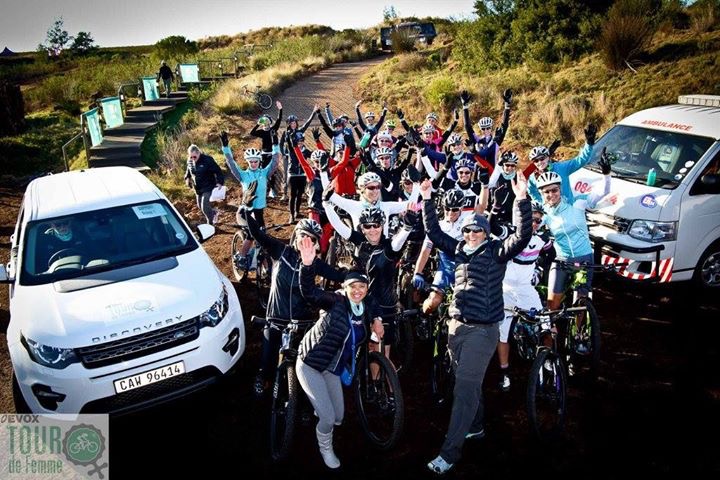
The idea was simple. Create a space where women had their own time, on their own terms, to ride the way they wanted to ride. Proper riding, and the ladies properly looked after the whole way through — start to finish, on and off the bike.
At the time it was treated as a novelty. People were intrigued rather than convinced.
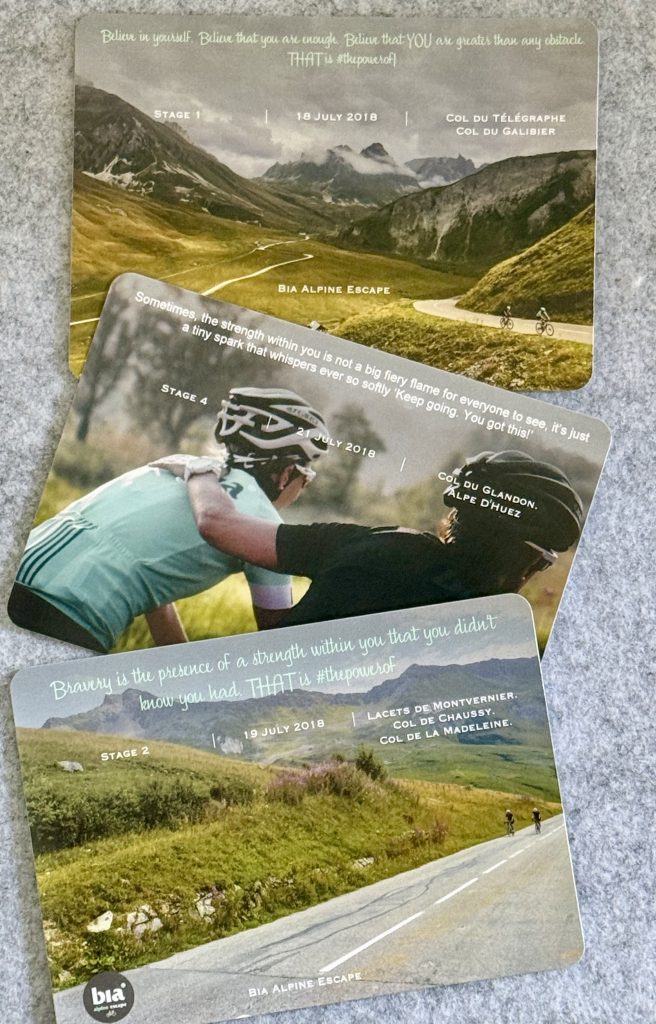
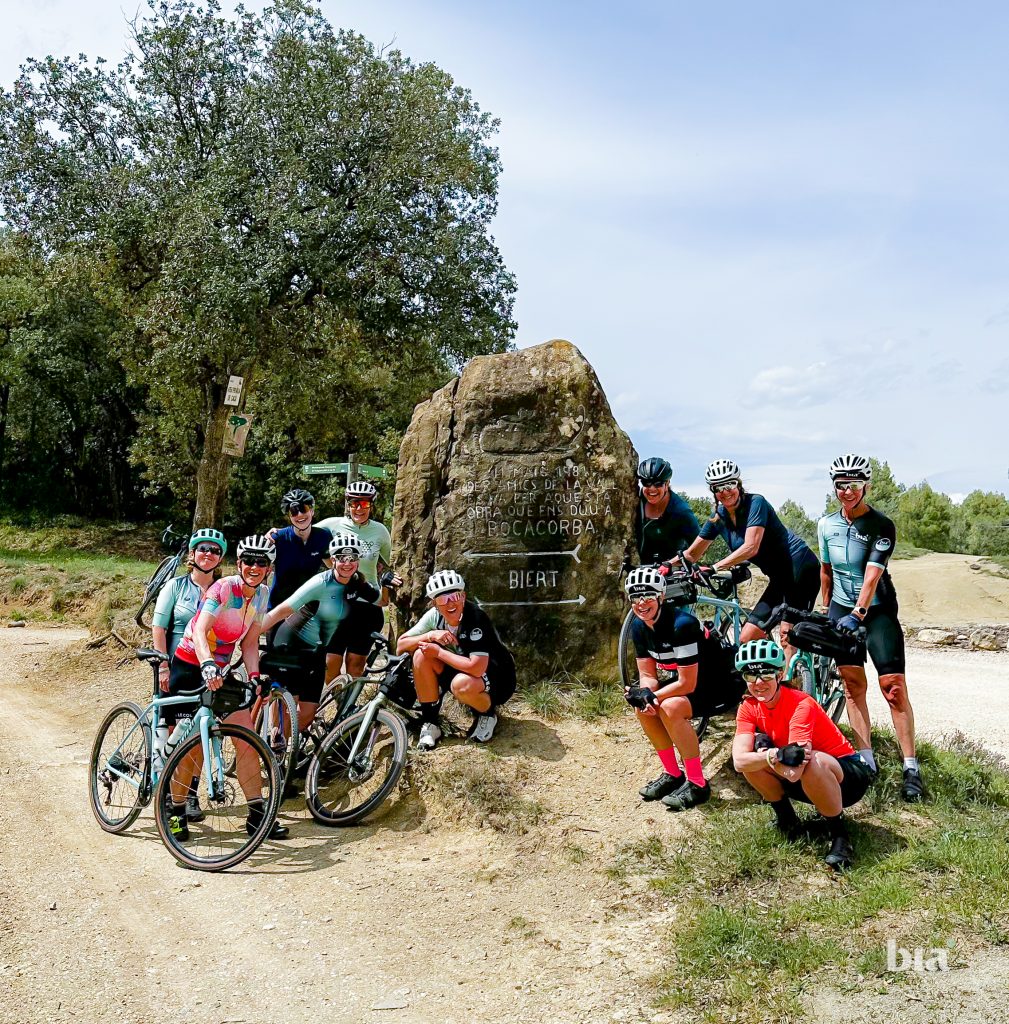
Tour de Femme led to Bia Escapes, and to a decade of taking groups of women to extraordinary places and spoiling them the way they deserve to be spoiled. It was also novel at the time, and it sometimes took some convincing — even the women themselves, that they were ‘allowed’ this sort of thing.
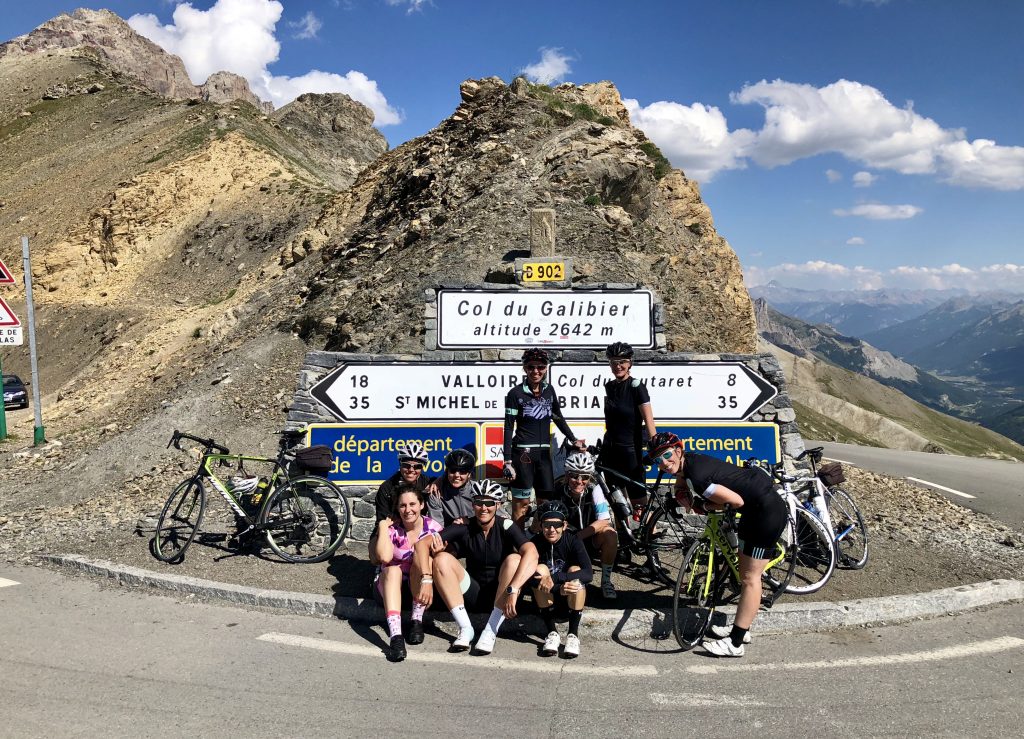
Now, most respected cycling travel companies run women’s trips, and some have taken the intimate Escapes model and made it properly their own. I’m chuffed about that. We want women having options. It shouldn’t be remarkable.
Ten years on, the fifth Tour de France Femmes avec Zwift finished in Nice. Nine stages, 1,175km, its own slot in the calendar a clear week after the men’s — and not one predictable day in it. Nine days of stories behind stories, drama second to none, right down to the wire. Rather more than I can say for the men’s race this year.
The numbers tell their own story. France Télévisions reported a record 32.9% average audience share across the stages and 2.6 million average viewers, plus 60 million views across social. The Lausanne opener pulled 2.17 million — roughly 80% of the men’s Tour opener. Race director Marion Rousse put it best: “Now people are waiting to see us.”
Then Strava released their figures, and those are the ones that made me sit up.
Over race week, 60% more women logged their first-ever 100km ride. 41% more logged their first 50km. ‘Longest ever’ rides by women were up 30%. Attempts on Mont Ventoux by women rose 849%.
Three-quarters of those rides were solo.
Strava called it “women chasing distance on their own terms”, and they’re right. Watching a bike race made thousands of women go further than they ever had. It’s worth sitting with the fact that most of them went on their own.
None of that happened by accident. It happened because a lot of women inside this industry have spent years pushing on two things at once — getting more women riding, and getting more eyeballs on women riding and racing. Kate Veronneau at Zwift has spent a decade turning visibility into actual investment, from Zwift Academy through to Watch the Femmes. Rachael Burnside’s Uplift programme has been quietly connecting women across the bike industry with mentors around the world since 2023. It’s this sort of work and deep passion that’s been going on behind the scenes that is why the sport has depth now.
This is exactly why the coverage question matters. The saying goes: ‘You can’t be what you can’t see’.
Here in the UK, live coverage moved behind a paywall this year for the first time in decades — Warner Bros. Discovery took exclusive live rights to ASO races from 2026, ending ITV’s free-to-air coverage, with only daily highlights left on Channel 5.
And only three of the nine stages were broadcast in full. Watching it, I couldn’t shake the feeling the women deserved more — fewer cameras, less of the roadside coverage that lets a story build. Marion Rousse has since said ASO are giving “serious consideration” to broadcasting every stage in full. Good.
Is it greedy to want more? To want equal measure for the women? I didn’t think so ten years ago when I started Bia and Tour de Femme, and I don’t think so now.
We’ve come a long way, and we’re in a genuinely good place.
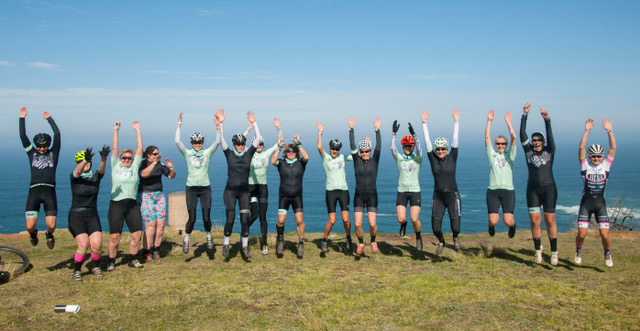
But where do the next ten years take us?
If we sat here in 2036 and looked back, what would a good decade look like? Not just at the top end — though I’d like the prize money to have stopped being an embarrassment by then — but for the everyday rider and the enthusiast too. Those 75% of rides that were ridden alone are, to me, both a triumph and an invitation.
What has to be true in ten years for us to say we got this right?
I’ve got a few thoughts. I’d love to hear yours.